

How to Repair a Blocked Downpipe
Downpipes are a must for rainwater drainage system, since they help to divert water away from walls and roofs. When they leak or get blocked, however, serious problems can develop.
wokingham Downpipe Services of water can cause internal and external damage to the house. It can also trigger mold growth.
If you suspect that there is a blockage in your downpipe begin with a ladder to clear the debris. As you progress to the wall, take out sections of pipe with a flexible drain probe.
Clean the area
A blocked downpipe could lead to serious problems for your home. Walls that are damp and structural damage can be caused by an obstruction in the downpipe. This is due to the fact that water that would normally drain from your gutters and roof and overflow into your home. There are, however, a number of easy steps you can take to avoid obstructions and keep your downpipes running freely. First, get rid of any debris that has built up in your gutters. You can use a telescopic stepladder or ask a friend to help.
Then, you should run water through your downpipe. You can do this by aiming a hose directly into the downpipe and slowly increasing the pressure. This will flush any dirt that has accumulated and may even dislodge a blockage. If this doesn't help you, you can try a chemical degreaser. Be sure to follow the manufacturer's instructions carefully, as these products could be dangerous if handled improperly.
Another way to prevent downpipe blockages is to install mesh guards on your gutters. They function as sieves, and can assist in separating larger bits of dirt, such as fallen leaves or twigs. These guards are particularly helpful if there are trees nearby as they are the main obstruction to downpipes. It's recommended to clean your downpipes regularly by using the help of a garden hose. This will ensure that they are clear and free from blockages.
It is important to clean around the downpipe if it has been damaged before applying sealant. This will stop any leaks in the future. You can also paint your gutters using a waterproof paint. This will stop the rusting process and make them easier for you to clean.
If you wish to guard your downpipes from clogging, it's recommended that you clean them at least twice a year. This will help to keep them in good condition and will prevent costly damage caused by leaves and twigs. It is also an excellent idea to eliminate ice from your drainpipes in cold weather since frozen water can blockage your drains. Investing in a pair of gloves and a mask to shield yourself from dust is crucial to accomplish this task.
Apply a sealant
If a downpipe has been damaged, it could leak and cause damage that isn't evident. If this happens, it's essential to act quickly. There are a myriad of options to repair damage and prevent further damage. One alternative is to apply a silicone compound that sticks to wet surfaces. This is a simple solution that can be used in many different areas of the house.
A PVC cement can be used to repair the damaged part of the joint or pipe. Before applying the cement, clean the area thoroughly and ensure that water does not get to the affected area. Then apply the cement according to the instructions of the manufacturer.
Also, it's a good idea for you to clean the area around the downpipe. This will help avoid any future problems and will extend the life of the pipe. It is crucial to correctly install the downpipe. When doing so, make sure to use anti seize bolts. If you don't, the bolt could break or cross-thread causing further problems.
If the downpipe leaks at its joint It is possible to seal it with rubber or silicone repair tape. This type of tape is available at most hardware stores and is easy to use. Wrap the tape around the damaged downpipe section and cover the entire crack or hole.
Another easy way to repair a downpipe is to use epoxy resin. This is a versatile material that can seal cracks, bond materials, and fill holes. To apply epoxy, first wash the area thoroughly and then dry it completely. Then, mix the epoxy according the instructions of the manufacturer. Once the epoxy is applied, it can be applied to the area in need of repair.
It's important to keep in mind that blockages and leaks are the most common causes of damage when fixing your downpipe. By keeping your downpipes clear you can lessen the chance of damage by preventing the accumulation of bird's nests and other debris. You should also consider replacing a damaged section of downpipe as part of your cleaning routine to ensure it is safe for use when the weather turns colder.
Install the downpipe
Damage to your guttering, whether it's caused by heavy rain, extreme temperatures, or even something as simple as leaning a ladder on the downpipe can cause serious problems. While cleaning your gutters can prevent leaks, it's worth considering a permanent solution like replacing the damaged part.
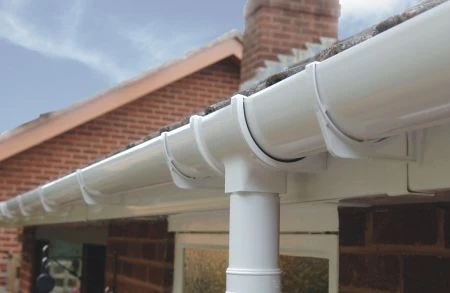
If the downpipe is leaking from the top, this is often an indication of a blockage. You can try to dislodge it by covering the drain and turning on the water, then directing it upwards. It may take a few attempts but in the event that the water is held back by compacted debris, you'll soon be able to free it.
The connecting joints can loosen up a downpipe. This is a sign that the downpipes are aging particularly if they're constructed of PVC. To fix this issue, clean the the joint and clean off any old paint or rust. Depending on the condition of your guttering, you may be able to repair the existing joints or replace them completely with new galvanised joints.
It is a wise choice to replace your downpipe with aluminum instead of plastic. It is more durable and does not suffer from any of the issues that plague the less durable plastic alternatives.
You should also consider adding a gutter guard to prevent blockages from occurring in the future. You can purchase these from the majority of DIY stores and are easy to fit. They are designed to stop huge quantities of debris from escaping the gutters and you will get a variety of sizes to suit any property.
As a rule, your guttering should always drain to a surface or soakaway drain instead of flowing into the main drainage system. This will reduce flooding risks and help keep your driveways and garden free of puddles.
Talk to an expert at your local Selleys branch should you have any concerns or questions regarding the condition of your guttering. They'll be able to provide you with the best option for your requirements. Their experienced team can even visit your home to inspect and clean your downpipes, giving you peace of mind that you are safe from elements.
Repair the damaged area
A downpipe is a crucial element of your plumbing system, but it can be difficult to repair if there's a leak. There are several methods to repair the damaged downpipe. Sealant can be applied to the area surrounding the pipe. This will make a stronger bond and also help prevent leaks in the future. A second option is to replace the damaged part of the pipe. It's expensive, but worth it if there is an extensive leak.
Cleaning the area is the first step in repairing the downpipe. This will help to remove any dirt or debris that may be creating the leak. Once the area has been cleaned, you can start applying a sealant to the affected area. You should be careful to apply the sealant carefully and ensure that the pipe is completely covered.
It can be difficult to find the source of a leak in your downpipe, especially if it's flowing from the middle. This can be accomplished by running a wire with an attached metal through the downpipe in order to examine any areas that are blocked. You can dig up the downpipe to find out what's blocking the flow.
Another option for fixing downpipes is to make use of epoxy resin. The material is designed to fill cracks and joints, and can be used on PVC pipes. Before using epoxy resin it is crucial that the damaged area be cleaned. Also, adhere to the manufacturer's guidelines when mixing and applying the epoxy. Once the epoxy has dried, you can check for leaks.
The final method of fixing downpipes is to use fiberglass resin cloth. It is similar to the resin tape, but it can be used to repair larger areas of damage. To apply this product, you must clean the pipe, then sand it lightly, and create a more adhesive surface. Then, wrap the cloth around the damaged area using the clamp for the hose. This repair is long-lasting, but not as watertight as a replacement pipe.